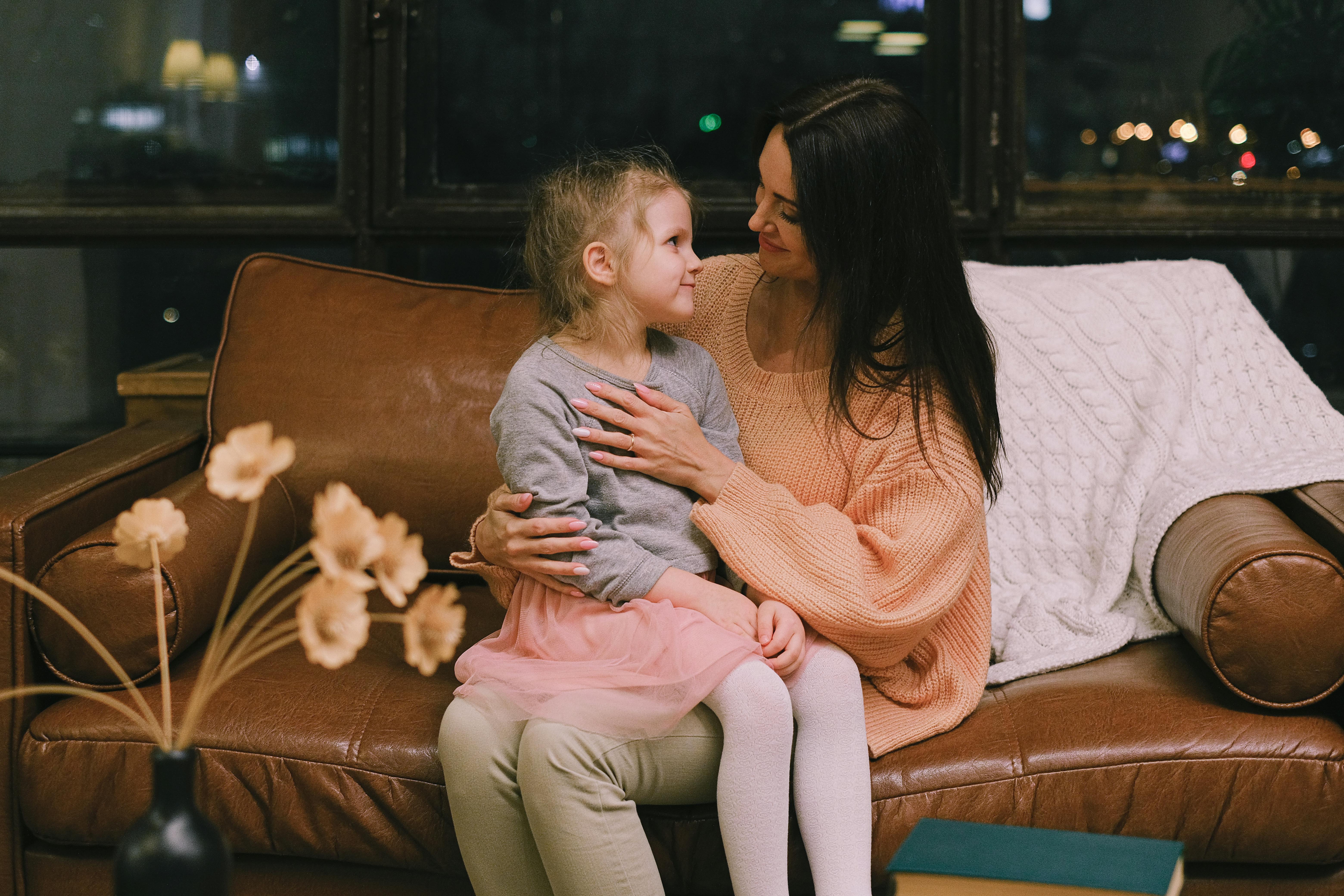
Image courtesy of Pexels vie Parent-Leaders
For parents with anxiety raising young, vulnerable children, staying calm can feel like a full-time job layered on top of everything else. The tension is that anxiety often tries to keep kids safe, but the parental anxiety impact can quietly shape routines, decisions, and tone in ways that strain children’s emotional well-being. When caregiver stress effects go unnoticed, kids may start adapting around the worry, becoming extra watchful, clingy, or shut down, creating family mental health challenges that feel confusing and hard to name. Spotting when anxiety is steering the household is a protective step for the whole family.
Parental anxiety transmission means kids can start carrying a parent’s worry, even when no one says it out loud. Children notice tone, urgency, and rules, then adjust their behavior to fit what feels “dangerous” at home. Because anxiety symptoms in children are common, it helps to look for patterns, not perfection.
This matters because anxiety can disguise itself as “bad behavior” or “being sensitive,” and kids may not have words for what they feel. When you can name emotional symptoms in kids and spot repeating family anxiety patterns, you can teach safety without teaching fear. That supports calm decision-making around boundaries, trusted adults, and body safety.
Imagine you scan every room for risks before playdates, and your child starts refusing parties or clinging at drop-off. Your worry becomes the family’s safety rule, and their stomachaches become the alarm. Noticing that loop is the first step to changing it.
With the pattern identified, you can build a steadier emotional climate and model coping kids can copy.
When anxiety ripples through a family, kids often react to what they feel from you, not what you intend. These calm-parent moves help you create a safe emotional environment, strengthen parent-child communication, and model healthy stress coping strategies your child can copy.
1. Name what’s happening out loud (in a calm voice): Give your child a simple “weather report” of your mood: “My worry is showing up. It’s not about you, and I can handle it.” Aim for a calm, neutral demeanor so your face and tone don’t accidentally signal danger to a child who’s already scanning you for clues, since kids are reading you. This supports parental anxiety management without asking your child to take care of your feelings.
2. Do a 60-second reset before you correct or comfort: If you feel yourself escalating, pause and take one minute: plant both feet, exhale slowly 5 times, drop your shoulders, and soften your jaw. Then decide: “Is this a safety issue or an anxiety alarm?” That tiny delay can prevent anxious overreactions like snapping, over-checking, or catastrophizing, patterns kids may mirror later.
3. Turn big feelings into a simple “feelings map” with your child: When your child melts down, start with labeling instead of lecturing: “I see worried/frustrated/sad.” Helping kids label feelings builds emotional vocabulary and makes it easier for them to ask for help rather than act out. Keep it concrete: “Where do you feel it, tummy, throat, fists? What would help: hug, water, quiet corner, or a reset breath?”
4. Use a two-question check-in to open communication (without interrogating): At a calm time, bedtime, bath, or the car, ask: “What was the hardest part of today?” and “What helped even a little?” Then reflect back one sentence before you advise: “That sounds scary.” This keeps parent-child communication safe and predictable, so your child doesn’t learn to hide worries to protect you.
5. Choose one “protective boundary” and explain it as care, not fear: Anxiety can push families toward either permissive avoidance or harsh control, so pick one clear boundary you can uphold kindly. Examples: “We do one goodbye at drop-off,” “We don’t read scary news when kids are awake,” or “We check devices in the kitchen.” State the why in a steady tone: “Rules help our brains feel safe.”
6. Repair quickly after an anxious moment: If you snapped, overreacted, or spiraled, circle back within 10–30 minutes: “I raised my voice. That may have felt scary. I’m sorry. You’re safe, and I’m working on a better way.” This repair lowers shame, rebuilds safety, and teaches your child that strong emotions can be handled, and relationships can recover.
When you practice these moves consistently, your home gets more predictable and your child gets more secure. Small, repeatable habits, done in minutes, are often what turn stress into resilience.
These habits make anxiety easier to spot early, regulate faster, and talk about without scaring kids. Over time, they also support safety conversations, because calm, consistent caregivers are better able to notice red flags and teach body boundaries with clarity.
Two-Minute Body Scan
● What it is: Do a quick check of jaw, chest, belly, and hands for tension.
● How Often: : Daily, before school or work.
● Why it helps: You catch anxiety signals early, before they spill into your tone.
Self-Care Checklist Reset
● What it is: Use a self-care checklist with three tiny options you can do today.
● How Often: Weekly planning, daily choosing.
● Why it helps: You stay resourced enough to respond, not react.
Family “Safe vs. Not Safe” Script
● What it is: Practice one body-safety line: “Safe touch is wanted, and you can say no.”
● How Often: Weekly, during routine moments.
● Why it helps: Repetition makes safety skills feel normal, not scary.
Calm Media Window
● What it is: Keep adult news and true-crime off when kids are nearby.
● How Often: Daily, set one time block.
● Why it helps: Fewer threat cues means fewer anxiety spirals for everyone.
Resilience Debrief
● What it is: Share one hard thing and one helpful thing, using the family resilience definition.
● How Often: Weekly, at dinner.
● Why it helps: Kids learn setbacks are manageable and support is available.
Pick one habit this week, make it doable, and let it grow with your family.
Q: How can I tell if my own anxiety is negatively affecting my child’s emotional well-being?
A:Look for patterns like your child becoming extra clingy, irritable, perfectionistic, or hesitant to share problems. Notice if your tone gets sharper, routines feel tense, or you avoid activities because you feel on edge. A simple next step is tracking two weeks of triggers and what your child does afterward, then choosing one change you can repeat daily.
Q: What are effective ways to create a safe space for children to share their feelings and worries?
A:Use short, predictable check-ins like “What felt hard today?” and “What helped?” and keep your face and voice calm. Reflect first, solve later: “That makes sense,” then ask, “Do you want ideas or just a listen?” If a child shares a safety worry, thank them, believe them, and focus on what you can do together.
Q: How can I manage my stress in a way that models healthy coping for my children?
A:Name it without dumping it: “I’m feeling worried, so I’m going to breathe and take a minute.” Then show a concrete skill, like a 10-breath pause, a short walk, or writing three next steps. If shame shows up, remember mental health stigma can keep caregivers silent, and talking about help-seeking is part of healthy modeling.
Q: What steps can I take to build resilience and problem-solving skills in my kids when facing anxiety?
A:Teach a three-part plan: name the worry, pick one small action, and choose a support person. Praise effort and flexibility rather than outcomes, so kids learn discomfort is survivable. Practice with low-stakes scenarios, then apply it to bigger worries like sleep, school, or body-boundary situations.
Q: If I feel overwhelmed balancing parenting and personal challenges, where can I find support to stay on track and manage my responsibilities effectively?
A:Start by making a short “support map” with three layers: a trusted person, a professional option, and a practical helper for logistics. A therapist, pediatrician, or school counselor can help you sort what is anxiety versus what is a real safety concern and create a plan. If fear of judgment holds you back, stereotypes and attitudes are common, and getting support is a protective parenting choice. Those interested in nontraditional student success strategies may find the idea of building a support map familiar.
Small, steady steps can calm your home and strengthen your child’s sense of safety.
When anxiety is running the show at home, it can feel like every reaction might spill onto the kids, even with the best intentions. The way forward is an awareness-first mindset, notice what’s changing, name what’s true, and lean on support so parenting isn’t driven by fear. With the benefits of anxiety awareness, families often see child well-being improvement through calmer routines, clearer boundaries, and more positive parenting outcomes over time. Your anxiety is a signal, not a parenting verdict. Choose one next step today, track one trigger, share it with a trusted person, or set up that first support appointment, and let it be enough. That steady, hopeful shift builds a home where safety, resilience, and connection can grow.